
Porn Use, Addiction, and Mental Health
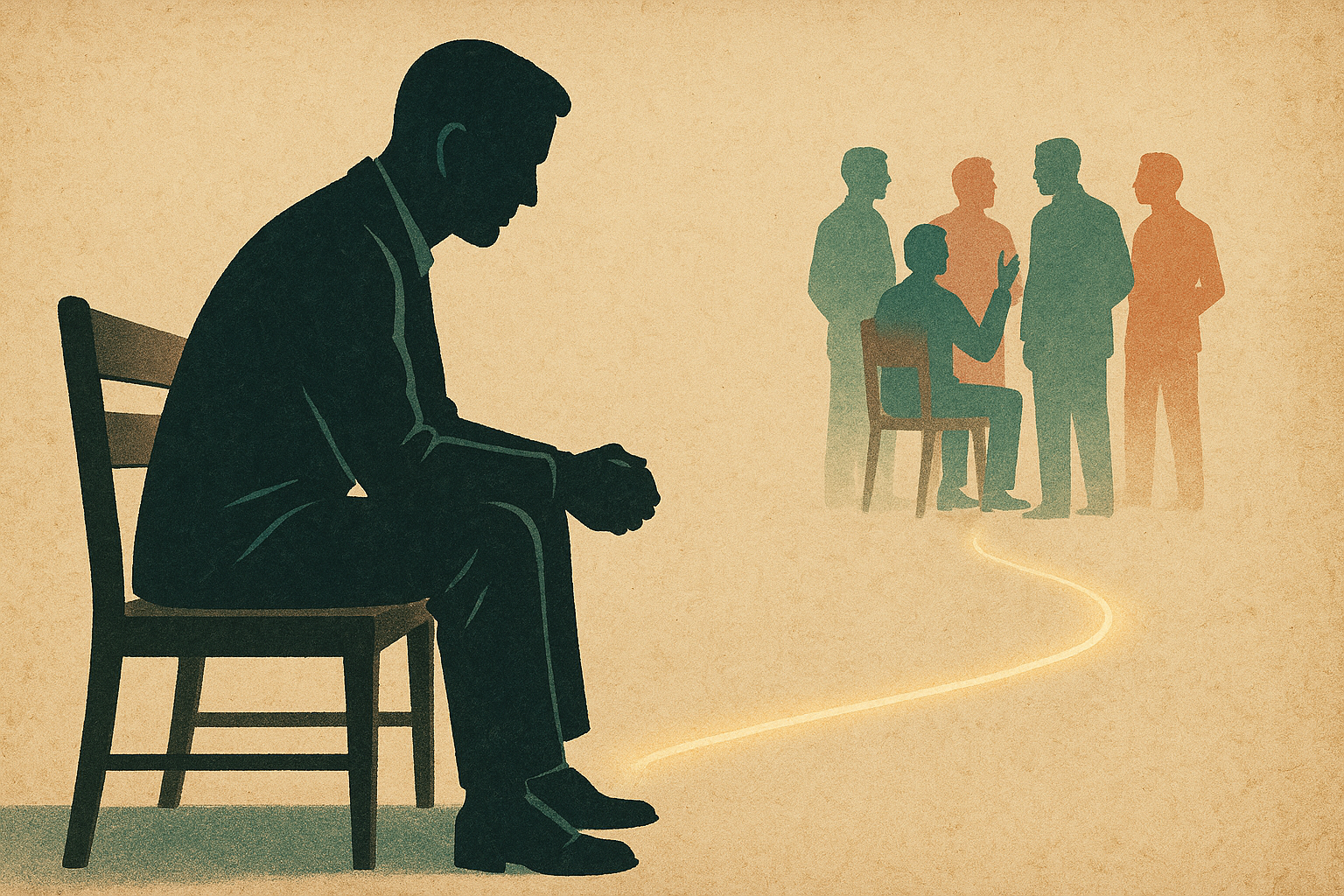
Porn is everywhere, but what’s the cost?
Porn is now easier to access than ever before - it’s free, instant, and available on any device at any time.
For many men it begins with being a way to switch off or escape for a while. For some, it can quickly move from the occasional distraction to a daily habit. Sometimes it becomes an addiction that starts to damage mental health, relationships, and self-esteem.
If you have noticed -
You spend more time watching porn than you’d like.
It’s harder to feel satisfied with your partner in real life.
You feel guilt, shame, or secrecy afterwards.
You keep saying “this is the last time,” (but you keep returning to it)
then you’re not alone. I work with many men who carry this quiet struggle.
When does porn use become a problem?
Porn itself isn’t automatically “bad” or dangerous. The real issue comes when it becomes your main way of dealing with stress, boredom, loneliness, or anxiety. Over time, the brain learns to rely on it for comfort. And because porn stimulates the brain’s reward system (dopamine), it can lead to needing more extreme or frequent content just to feel the same buzz.
That cycle can leave you feeling -
Flat and unmotivated in daily life.
Disconnected from your partner, friends, or family.
Anxious or low because you feel out of control.
Ashamed stuck between wanting to stop and wanting the relief it brings.
The link to mental health
Compulsive porn use is often a signal that something deeper is going on. The men I see in therapy often describe using porn as an avoidance technique.
So what are they avoiding? This ranges from feelings of anxiety, stress, or depression to old wounds such as rejection, loneliness, or low self-worth. Sometimes it’s a sense of not being good enough in relationships, or at work. This is why simply trying to “quit porn” with willpower often isn’t effective.
Unless the underlying emotional needs are addressed, the habit usually comes back.
How Human Givens therapy can help
Human Givens therapy works differently from many traditional approaches. It isn’t about years of analysis or endlessly talking about the past. Instead, it’s a practical, focused approach built around two key questions:
What needs aren’t being met in your life right now?
We all have basic emotional needs, for security, intimacy, achievement, meaning, and connection. When these aren’t met in healthy ways, we try to fill the gap with unhealthy ones. Porn can become a quick fix for unmet needs like connection, intimacy, or soothing.
What resources and strengths do you already have?
Human Givens helps you access your own strengths, whether that’s creativity, resilience, humour, or problem-solving, to meet your needs more healthily.
In practice, therapy might involve any of the following
Reframing the habit so it feels less overwhelming and shameful.
Relaxation and guided imagery to reduce urges and stress responses.
Identifying triggers and finding new, healthier ways of responding.
Building connection, whether that’s with a partner, friends, or through new goals and interests.
Restoring balance so porn is no longer your main coping strategy.
Men often tell me they feel relief after just one or two sessions, because the focus shifts from “what’s wrong with me?” to “what do I need”?
And most importantly, “how can I meet that need in a healthier way?”
Moving forward
If you’re struggling with porn use or addiction, please know this - it doesn’t mean you’re broken.
It means you’re human, and your brain has found a shortcut to relieve stress.
But maybe this shortcut isn’t working anymore?
With the right tools and support, it’s entirely possible to change.
So, what next?
If this post has struck a chord, and you would like some one-to-one support, I offer private therapy sessions where we can work together on breaking the cycle and building a healthier, more fulfilling life. You can book a call here. The initial conversation is free.